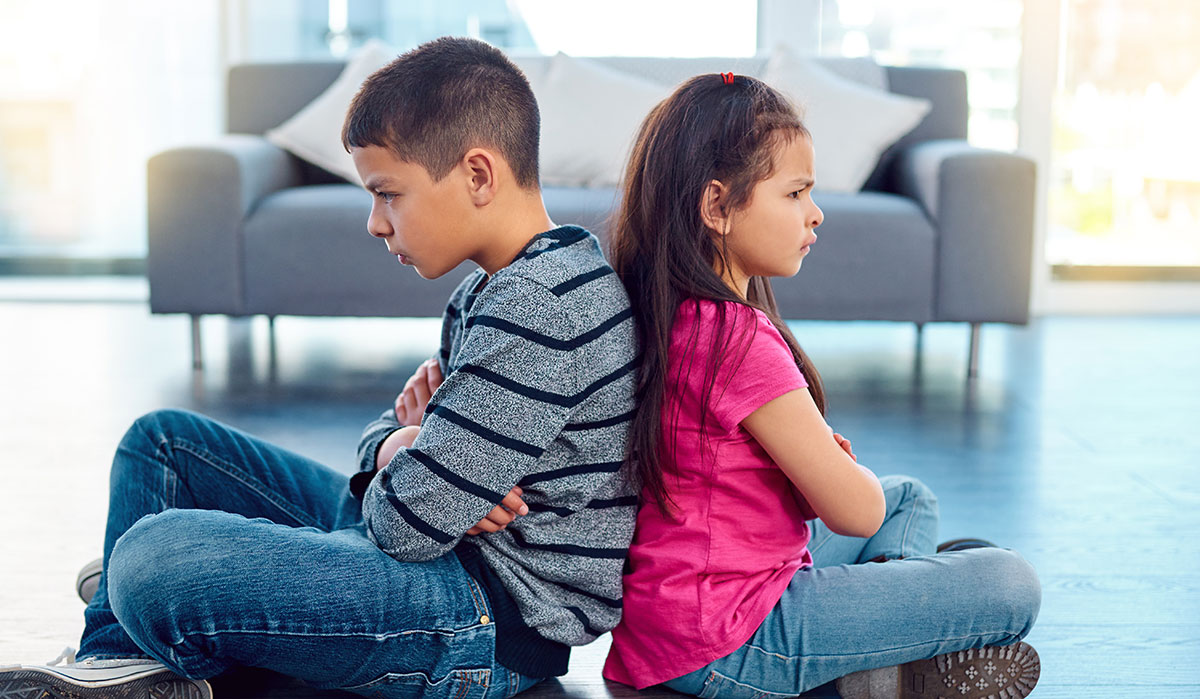
If you are raising more than one child, you already know this truth. Siblings fight. They argue over seats, snacks, clothes, attention, and sometimes things that seem completely irrational to adults. As parents, it can feel constant and exhausting.
The natural reaction is to shut it down fast. “Enough.” “Go to your rooms.” “I don’t want to hear another word.”
And sometimes, yes, we need quiet. But if our only goal is to keep the peace, we miss something important. Sibling conflict is one of the most powerful training grounds for emotional growth. Instead of seeing it as a daily nuisance, we can start seeing it as a daily practice.
Conflict Is Normal, Not a Failure
Many parents worry that frequent arguments mean something is wrong in the family. In most cases, the opposite is true. Siblings are learning to live alongside another human being with different needs, opinions, and personalities.
That is not easy.
Adults struggle with that too. The difference is that children are still developing the skills to manage frustration, disappointment, and jealousy. Conflict is part of that development. It is not a sign that you are failing as a parent.
What matters most is not whether your children argue. What matters is what they learn from those arguments.
From Referee to Coach
It is very easy to fall into referee mode. We rush in to figure out who started it, who is right, and who deserves a consequence. We declare a decision and move on.
The problem is that referees solve the immediate issue, but they do not teach the underlying skill.
Coaches teach skills.
Instead of immediately deciding who is right, slow the moment down. Ask each child what happened. Let them speak without interruption. Then ask how they felt. Many children struggle to name emotions beyond “mad” or “not fair.” Helping them expand that language builds emotional awareness.
When a child can say, “I felt left out,” rather than push or yell, that is growth. That does not happen automatically. It happens because someone took the time to guide the process.
Anger Is Allowed. Disrespect Is Not.
One of the most important lessons siblings can learn is that emotions and behavior are not the same thing. It is okay to feel angry. It is okay to feel jealous. It is okay to feel frustrated.
It is not okay to insult, threaten, or belittle.
When a child says something hurtful, be clear and calm. “You can be upset, but you cannot call your sister names.” That sentence draws a boundary without shaming the emotion itself.
Children need to know that all feelings are acceptable. Not all behaviors are.
When we respond consistently, they begin to understand that self-control is possible even in intense moments.
Teaching Problem Solving
After everyone has calmed down, shift the focus toward solutions. Ask simple questions. “What could you do differently next time?” “How can you both feel okay about this?”
Younger children may need suggestions. Older children can be encouraged to come up with their own compromises. This process takes longer than handing down a rule, but it builds independence.
When children practice resolving small disputes at home, they are building skills they will use in friendships, marriage, and the workplace. Negotiation, listening, and compromise do not magically appear in adulthood. They are developed through repeated experiences.
Sibling conflict gives us daily opportunities to teach those skills.
Watch the Labels
In moments of frustration, it is easy to label. “You are always the dramatic one.” “You are the troublemaker.” Even if said casually, those words can stick.
Children often live up to the roles we assign them.
Focus on the behavior, not the identity. Say, “That choice was not respectful,” instead of, “You are disrespectful.” This keeps the door open for change. It tells the child that they are capable of better decisions.
Our words shape how our children see themselves.
Model the Tone You Want
Children learn more from what we model than from what we say. If we respond to their conflict by yelling, threatening, or speaking harshly, we are teaching them that strong emotions justify strong reactions.
Staying calm is not easy. It requires self-awareness. Sometimes it means saying, “I need a minute before we talk about this.” That alone models emotional regulation.
When parents manage their own reactions, they create a sense of emotional safety. In that environment, children are more open to learning.
Know When to Step Back
Not every disagreement needs adult involvement. If the argument is not escalating into disrespect or physical harm, consider observing from a distance.
Children sometimes resolve things better than we expect. They test boundaries, adjust, and figure it out. Stepping in too quickly can prevent them from practicing those skills.
Part of teaching respect is trusting that your children are capable of growth.
Looking Beneath the Surface
If sibling conflict feels constant or unusually intense, it may signal something deeper. A child may be craving attention. There may be stress at school. One child may feel overshadowed by another.
One-on-one time with each child can reduce competition. Clear family rules about shared spaces and responsibilities can lower tension. Sometimes small structural changes create big emotional shifts.
When we look beneath the argument, we respond more effectively.
Building Respect That Lasts
Peace that comes from fear or constant punishment does not last. The moment authority is gone, the behavior returns.
Respect that is practiced repeatedly becomes part of a child’s character.
Sibling arguments may never fully disappear. That is not the goal. The goal is to help our children learn how to disagree without destroying the relationship.
Our homes are the first place our children learn how to handle conflict. If they learn that strong feelings can be expressed with dignity, that problems can be solved through conversation, and that respect is non negotiable, we are giving them something far more valuable than a quiet house.
We are giving them skills they will use for the rest of their lives.